What if you could know which creative will work before you spend a single Euro?
14 Sep 2026
 Search


 All Publicis Groupe Romania proprietary data tools in one place.


Traditionally, marketers have relied on a familiar process: develop creative, launch a campaign, invest media budget, and then analyze what worked. The challenge is that by the time the answers arrive, the budget is already spent.
This transforms creative effectiveness from a post-campaign measurement exercise into a pre-launch optimization opportunity.
While post-campaign analysis remains essential, it is often the most expensive moment to discover that a message wasn’t clear, a key element wasn’t noticed, or a creative concept wasn’t memorable. AI-powered testing allows teams to ask those questions earlier:
The ability to answer these questions before launch creates a genuine efficiency advantage. Instead of learning from mistakes after media spend, teams can refine creative while changes are still fast and inexpensive.
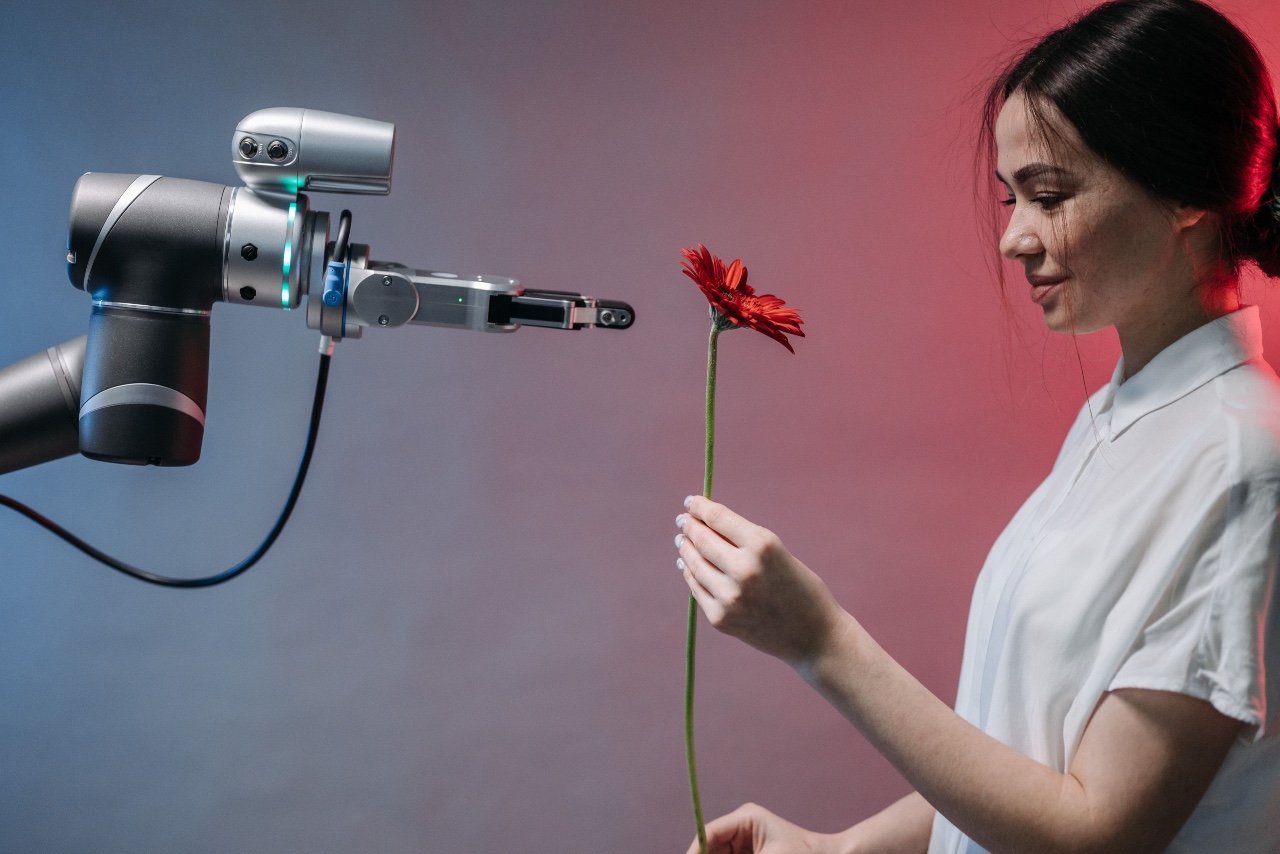
Not all consumers experience creative in the same way. AI personas help simulate how different audience segments may respond to the same asset. Instead of evaluating creative through a single lens, marketers can explore how varying motivations, needs, and decision-making styles influence attention, engagement, and memory.
Rather than predict individual behavior, the goal is to uncover patterns that help teams build creative that resonates with a broader range of audiences.
Across multiple creative evaluations, a few recurring patterns consistently emerge.
Finally, engagement often comes from interaction, emotion, or narrative tension rather than information alone. Consumers are more likely to stay involved when there is a compelling reason to continue exploring the content.

Perhaps the biggest change is that testing is becoming an active part of the creative process rather than a final checkpoint. Instead of using research simply to judge completed work, teams can now compare alternatives, identify friction points, and optimize creative direction before production or media deployment.
The conversation shifts from: “Which version performed better?” to “Why is one version performing better, and how can we improve it further?”
That shift encourages experimentation, accelerates learning, and allows teams to make more informed decisions with greater confidence.
The rise of AI-powered creative testing does not replace creativity. If anything, it makes creativity more effective.
Great ideas still come from human insight, empathy, and imagination. AI simply provides an additional layer of intelligence that helps teams understand how those ideas are likely to be experienced before they reach the market.
Think of it as a bridge between creative intuition and data-driven optimization. Creativity remains the starting point. Data helps refine the journey.
And when marketers can predict attention, engagement, and memorability before investing media budget, effectiveness becomes something they can actively shape rather than simply measure after the fact. In a world where every marketing euro is expected to work harder, that’s a capability worth paying attention to.
All Publicis Groupe Romania proprietary data tools in one place.