Women’s Perspectives in 2026 – Starcom Study
19 Mar 2026
 Search


 All Publicis Groupe Romania proprietary data tools in one place.


For decades, marketing tried to define femininity through appearance, roles, and expectations. But women themselves are redefining it.
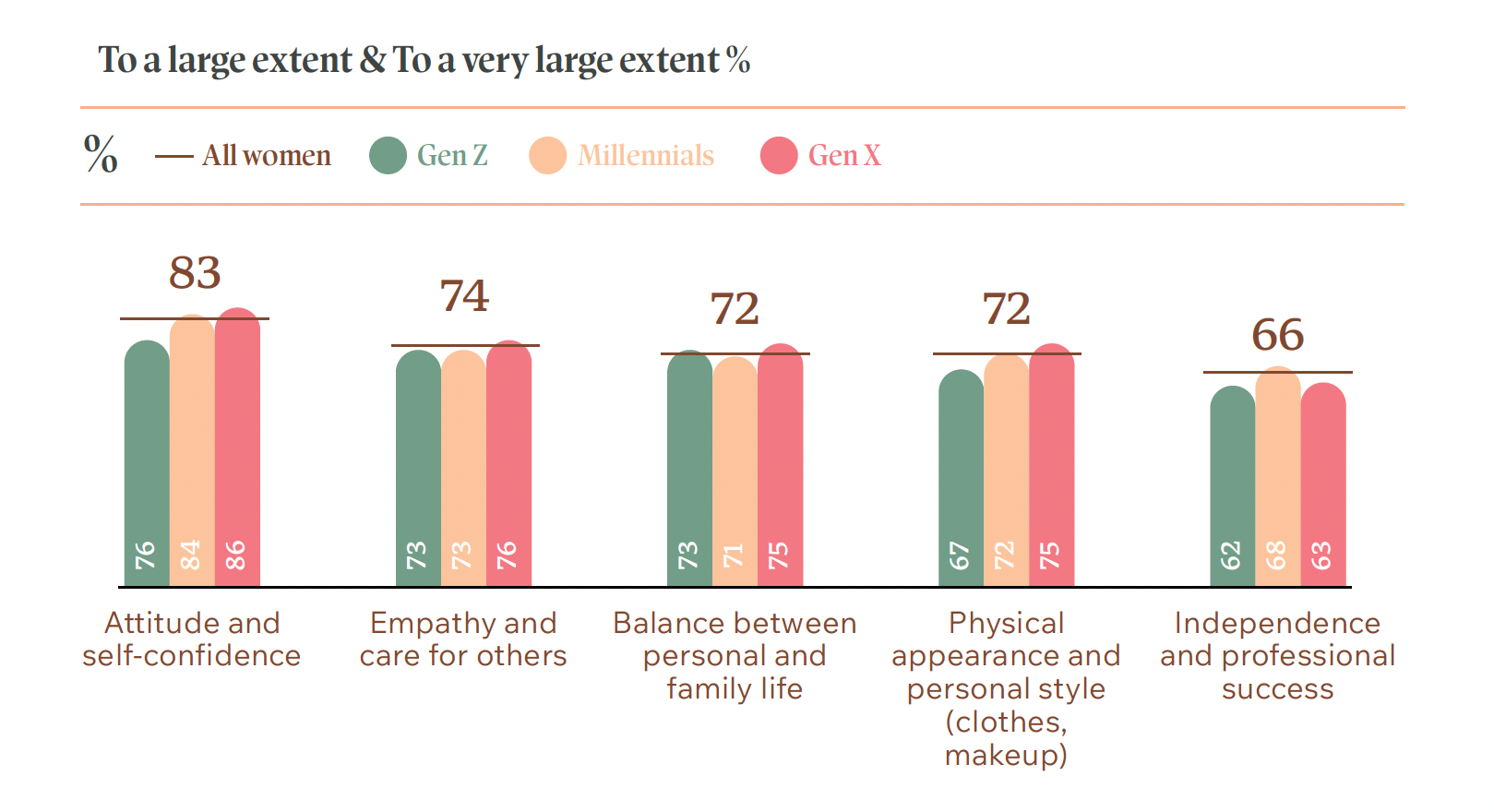
The latest Women’s Perspectives study shows that femininity today is less about fitting into a predefined model and more about authentic self-definition. Across generations, women associate femininity primarily with attitude, self-confidence, authenticity, and inner strength, rather than traditional aesthetic markers.
“Women today seek authentic and diverse representation in the digital space and in advertising – one that reflects their real lives, beyond any form of idealization. The expectation is for brands to embrace this complexity and strength, expanding the presence of women across all categories and moving beyond traditional stereotypes. This approach will enable brands to build deeper, more trusting relationships with their audiences.” said Mirela Mirică, Media Research Specialist, Starcom Romania
One of the clearest findings in the study is that women’s confidence comes primarily from education, achievements, life experience, and the ability to make independent decisions. Appearance still matters, but it plays a secondary role. This challenges a long-standing bias in marketing communication, where women are frequently portrayed through beauty, fashion, or external validation.
While all generations value authenticity and confidence, each generation interprets femininity differently:
For marketers, this is a reminder that one-size-fits-all messaging no longer works. Brands that succeed will be those capable of speaking to different life stages and realities, not just demographics.
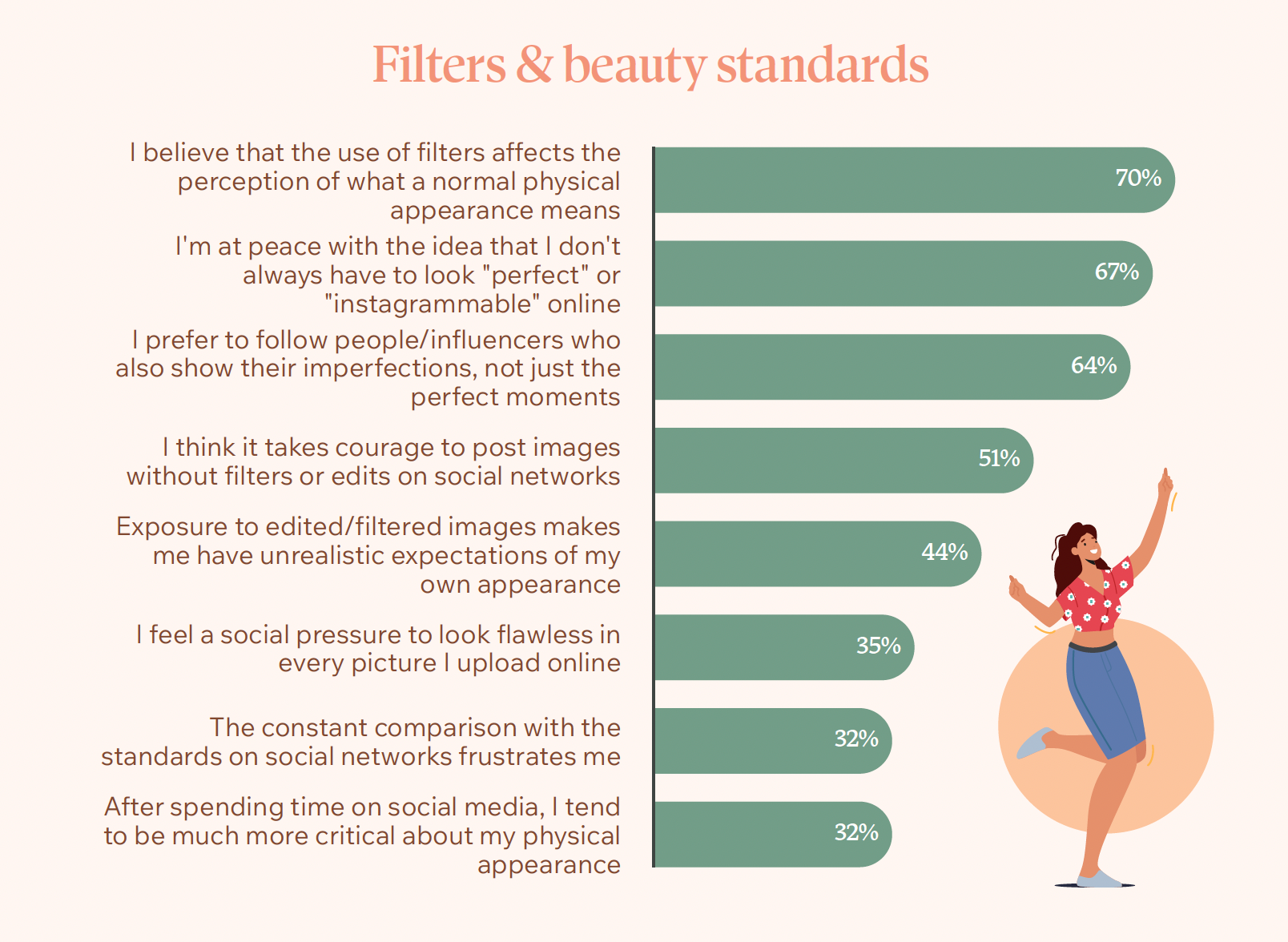
Social platforms remain central to how women interact with culture and identity, but their emotional impact is complex.
The study shows that Gen Z is the generation most affected by social media comparison dynamics. They are more likely to feel their confidence drop when comparing themselves to others and more influenced by likes and comments. They are also the most likely to edit photos or enhance their images before posting.
At the other end of the spectrum, Gen X shows the strongest preference for authenticity, often posting less frequently or avoiding editing altogether.
This highlights an important paradox: while social media celebrates authenticity, its mechanics often reward perfection. Brands operating in these environments need to understand that tension.
Perhaps the most revealing insight from the study is not what women say about themselves, but what they feel is not being discussed enough.
The most underrepresented topic? Loneliness and social disconnection in the digital age. Other issues women feel are poorly represented in public discourse include personal and professional failure, the unfiltered reality of motherhood, and the emotional struggles that rarely make it into media narratives.
These gaps suggest that authenticity in communication still has room to grow.
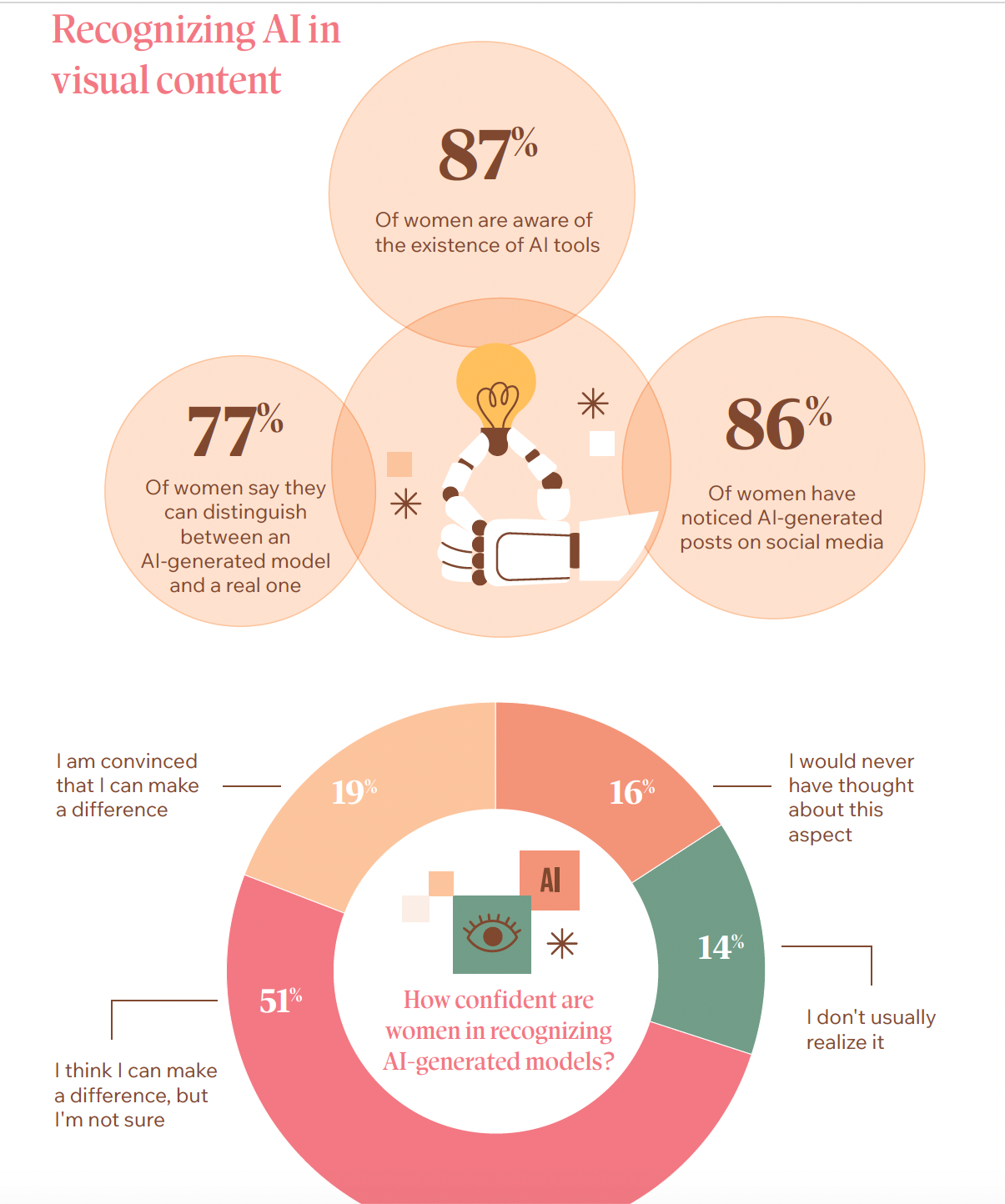
Artificial intelligence is rapidly becoming part of the creative toolkit for marketing. But women’s attitudes toward AI in advertising remain mixed. Many are aware that AI tools can generate images or videos and have already noticed AI-generated elements in social media content or ads.
However, the key question remains trust. Women express concerns about:
In other words, AI may be powerful, but credibility remains essential.
For brands experimenting with AI-generated models or visuals, transparency and ethical use will be critical to maintaining trust.


Discover the short version of the study, and for a deeper look at how women perceive advertising today – from female archetypes and stereotypes across industries to attitudes toward AI-generated models and brand communication, demographic data comparisons, trusted sources for social media content by category etc. – reach out to consumer@starcomww.com and explore the full insights from the Women’s Perspectives Study 2026.
Methodology
The study was conducted by the media agency Starcom Romania, in March 2026, using the CAWI (Computer Assisted Interviews) method on a sample of 804, urban women aged 18-50 years old. The study is part of the HumanGraph Experience series, a research tool for analyzing and understanding human behavior in different contexts, focused on collecting and visualizing relevant data.
All Publicis Groupe Romania proprietary data tools in one place.