Recession Tracker Analysis 2026 – From essentialism to smart value in Romania
31 Mar 2026
 Search


 All Publicis Groupe Romania proprietary data tools in one place.


Romania’s consumer mindset in 2026 is evolving within a broader European context defined by slower growth, persistent inflation, and tightening fiscal conditions. Recent reporting highlights growing stagflation risks across the EU, with the eurozone economy showing signs of stagnation, eroding confidence and placing additional pressure on household budgets.
Closer to home, efforts to reduce Romania’s budget deficit are amplifying this pressure, contributing to a climate where financial flexibility feels increasingly constrained.
This shift is already visible at a granular level. Our latest insights, based on a new set of data collected in March 2026 as part of the Recession Tracker analysis conducted by Leo agency, capture this recalibration in action – showing how consumers are adjusting behaviors across FMCG staples, treat occasions, durable goods, and financial services.
At the same time, consumer sentiment reflects a growing sense of caution. While austerity measures are broadly understood as necessary, confidence in both the national economy and personal financial stability remains fragile. Concerns around job security and income volatility are widespread, and these concerns are directly influencing how consumers prioritize their spending.
In this context, spending is becoming more selective. The first categories to feel the pressure are consistent: vacations, eating out, ride-hailing, and leisure activities. Rather than disappearing, these expenditures are being reassessed – marking a broader shift toward essentialism, control, and perceived value.
Across staple categories, consumers are making deliberate trade-offs to preserve familiar habits while improving value. Dairy continues to represent routine and necessity, with expectations anchored in quality, health, and local relevance. Beer, while slightly more discretionary, remains part of everyday consumption, with loyalty intact – but increasingly optimized through smarter purchasing decisions.
The shift is less about what people consume and more about how they access it: greater sensitivity to promotions, increased reliance on value-oriented retail channels, and a clear movement from out-of-home to in-home consumption occasions.

Treat categories are where the impact of financial pressure becomes most visible. Eating out, ordering in, and leisure activities are no longer routine – they are becoming occasional, more intentional choices.
Importantly, these categories are not contracting, they are evolving. Pizza, for example, continues to hold relevance as an affordable indulgence, often replacing more expensive dining experiences. At the same time, social moments are shifting toward at-home formats, where consumers can maintain connection while controlling costs.
Durable goods purchases are increasingly driven by necessity rather than aspiration. Consumers are delaying upgrades, extending decision timelines, and placing greater weight on tangible value, especially durability and total cost of ownership.
In this environment, financing is no longer a secondary consideration – it is often a deciding factor. Flexible payment options help reduce upfront pressure and enable consumers to proceed with high-value purchases despite tighter budgets.
Financial uncertainty is elevating the role of financial services as tools for control rather than just transactional providers. Consumers are prioritizing saving, reducing unnecessary costs, and gaining greater visibility over their financial situation.
Expectations have shifted accordingly. Transparency, low or no fees, and practical tools for money management are no longer differentiators, they are becoming baseline requirements.
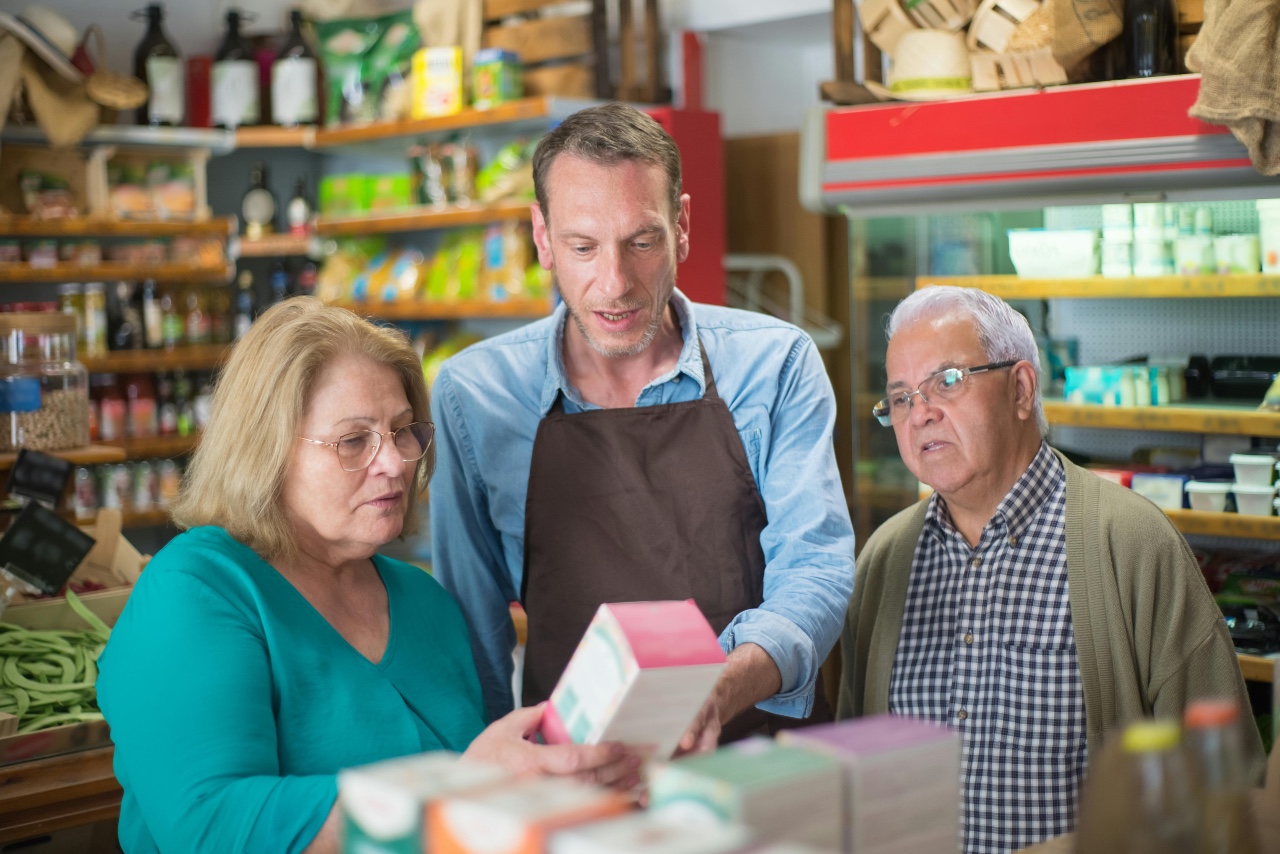
The Romanian market is becoming more selective, more rational, and more value-driven. For brands, this creates a clear imperative: success will depend on the ability to align with how consumers are thinking and behaving today. The brands that will define this period are those that:
All Publicis Groupe Romania proprietary data tools in one place.